Ninjutsu

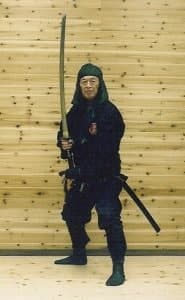
Ninjutsu arose as a clandestine tradition — one that stood in direct opposition to the samurai elite who dominated feudal Japan. Its roots were deliberately concealed for centuries, giving rise to considerable confusion in the historical record. Where Japanese society grew increasingly formalised, stratified, and tightly controlled by the Emperor, ninja lived as naturalists and pragmatists, operating from the shadows to secure the survival and independence of their families and lands.
Techniques were passed from generation to generation, refined through actual combat. If a method failed in battle, the warrior who carried it did not survive to pass it on. That brutal filter ensured that only the most effective knowledge endured.
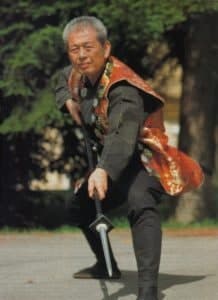
The birthplace of ninjutsu is the Iga and Koga region of Japan, where more than seventy families perfected the art between 1024 and 1074. Japanese history — written to glorify the samurai and their code — largely concealed the role of the ninja, which is why the tradition's true purpose and ideals remain misunderstood today.
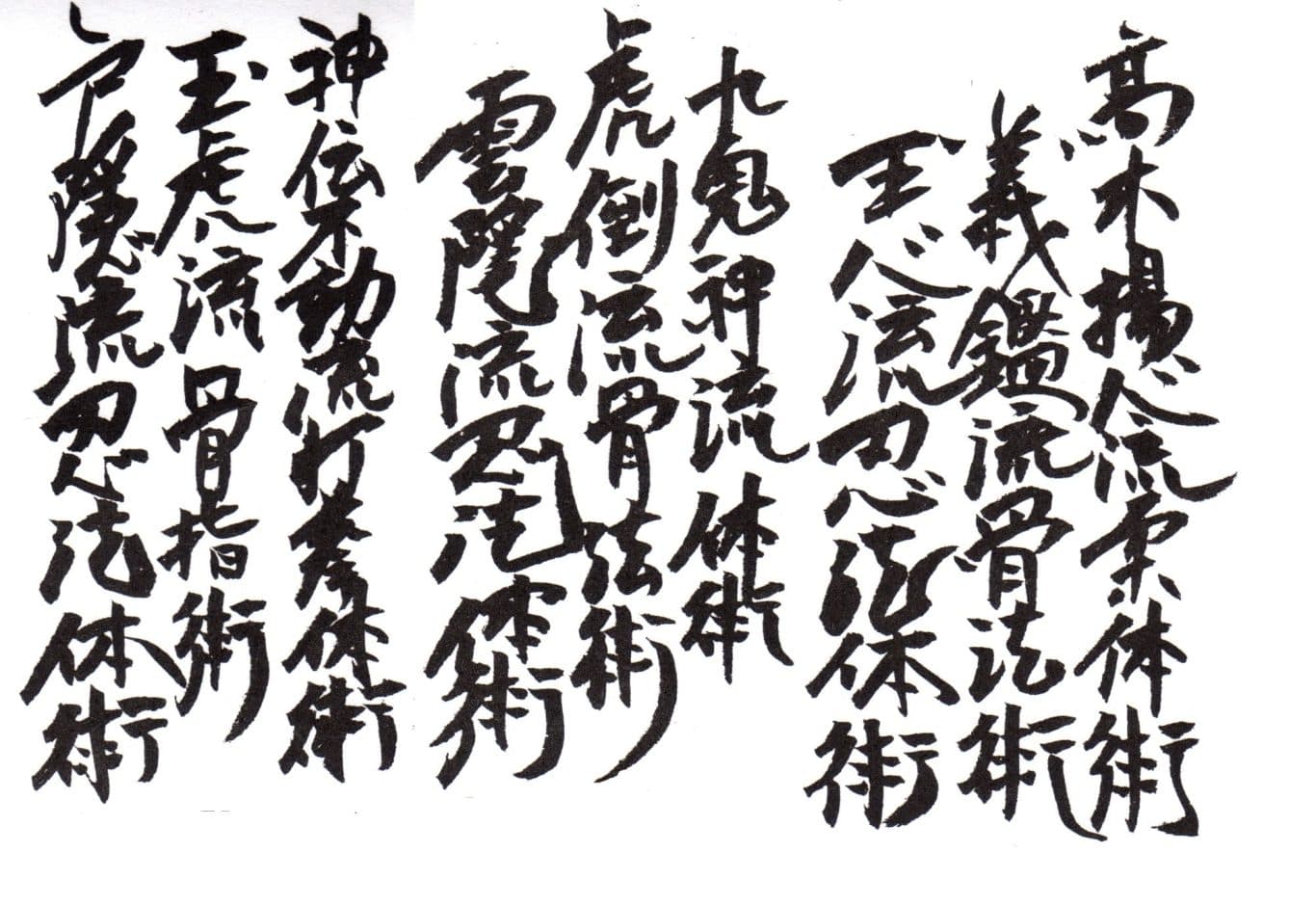
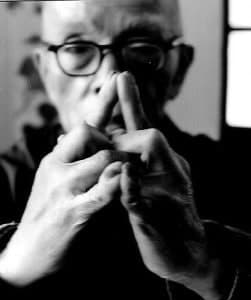
Nine schools survived to the present day, and all nine were inherited by Dr. Masaaki Hatsumi from his teacher Toshitsugu Takamatsu. In honour of his master — whom he sincerely believed to be a divine warrior — Hatsumi named the organisation Bujinkan (House of the Divine Warrior). The Bujinkan Dojo as we know it today stands as his living tribute to Takamatsu Sensei and to the nine traditions entrusted to him.
The nine schools are:
- Togakure Ryu
- Kumogakure Ryu
- Gyokushin Ryu
- Gyokko Ryu
- Kotto Ryu
- Takagi Yoshin Ryu
- Shinden Fudo Ryu
- Kukishinden Ryu
- Gikan Ryu