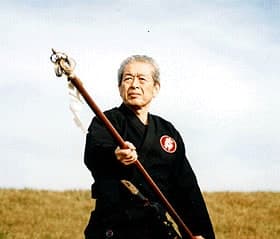
O Sensei Masaaki Hatsumi
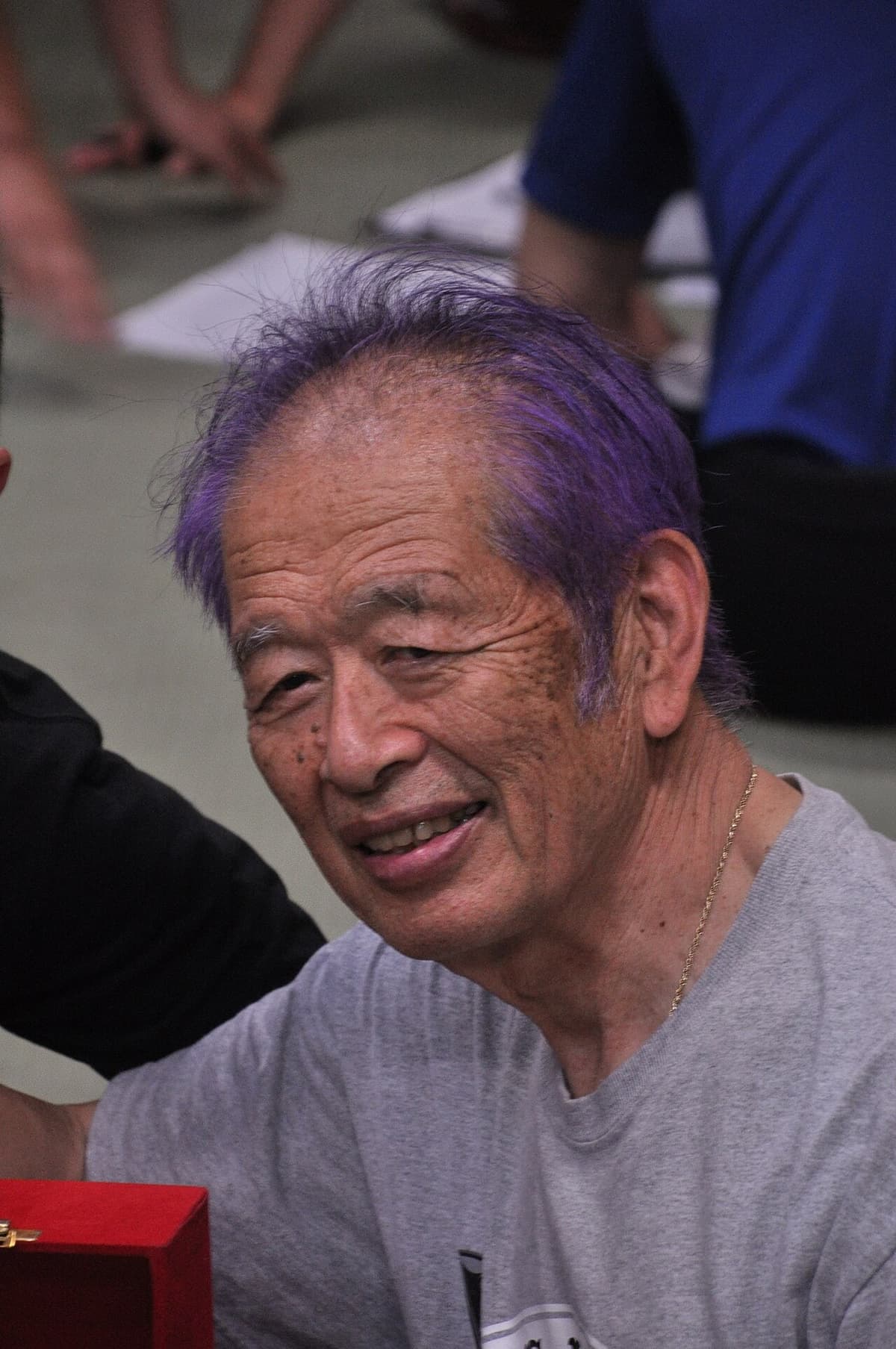
Hatsumi Yoshiaki was born on December 2nd, 1931 in the town of Noda in northern Japan. He later changed his name from Yoshiaki to Masaaki. His father began teaching him kendo at the age of seven, and he also took up judo and karate. In high school he was a gymnast and a boxer, and attended dance classes — something he credits with later helping him master movement in the martial arts. During college he continued judo and boxing and joined a drama club. While studying medicine he attained 4th dan in judo.
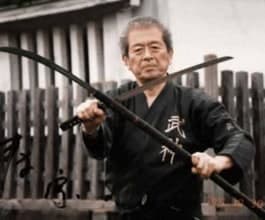
He was offered a position teaching judo to American soldiers at a military base, which he accepted at the age of twenty. He soon noticed that the Americans — much larger and stronger than himself — were learning far faster than his Japanese students. He began to doubt his training. What is the purpose of a martial art if a bigger, stronger person can simply overpower you? That question drove Hatsumi to search for a true warrior craft. He paid roughly 300,000 yen per month to a Kobudo master and completed that training in three years.
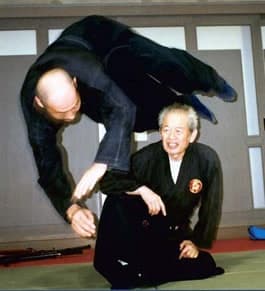
In 1957, at the age of 26, he met Toshitsugu Takamatsu — whose warrior name was Mongol Tiger — who lived in Kashiwabara. For the next fifteen years he travelled every weekend across the island of Honshu to his teacher; the journey took nine hours by train. After those fifteen years, Takamatsu Sensei chose Hatsumi Sensei to be the next Soke (heir) of nine schools: Togakure Ryu, Kumogakure Ryu, Gyokushin Ryu, Gyokko Ryu, Kotto Ryu, Takagi Yoshin Ryu, Shinden Fudo Ryu, Kukishinden Ryu, and Gikan Ryu. Hatsumi Sensei has held seminars and lectures across the world, and has received many honours and titles.
Among them:
- 1986 — named Best Instructor by Black Belt Magazine
- 1991 — received great recognition from US President George Bush on his 60th birthday
- 1992 — the King of Spain awarded him the Medal of the Cross and the Medal of the Sun
- 1995 — named Master Teacher of Swordsmanship by the Japanese Sword-Fighting Federation, alongside numerous other honours
- 1999 — received the International Cultural Award from the Japanese government, presented by a member of the imperial household — the highest honour given for cultural exchange
- 2001 — became the first Budoka to receive the Pope's blessing from the Vatican, in recognition of the kindness he has brought to the world through his teachings and travels